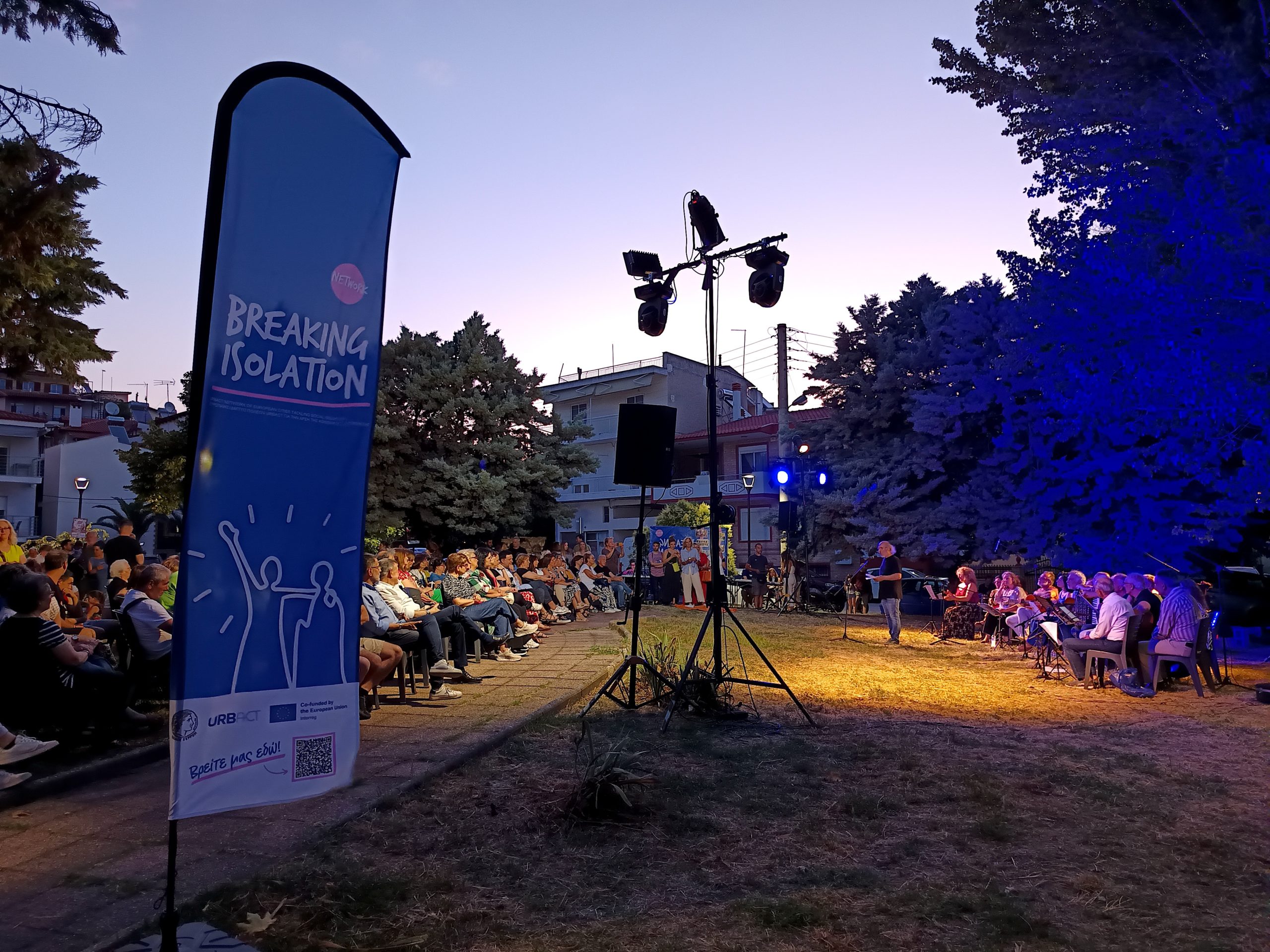
More and more people are isolated
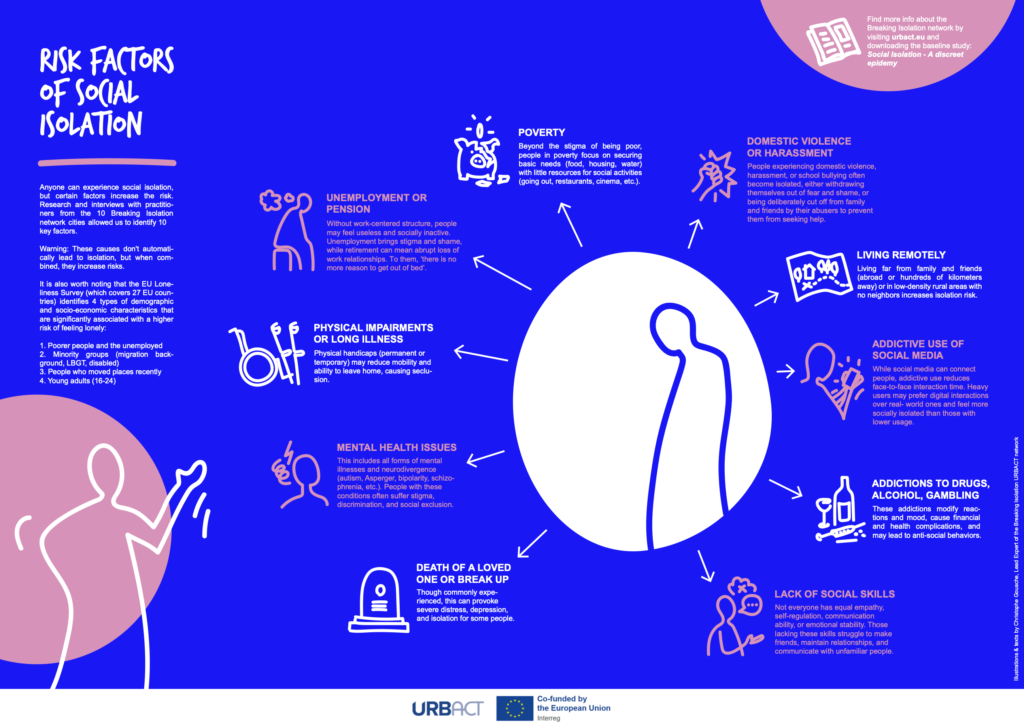
Social isolation has emerged as one of the most pressing public health challenges of our time, affecting millions of people across Europe and contributing to serious physical and mental health problems, increased mortality rates, and significant strain on healthcare systems. The urgency of this issue has been recognized at the highest levels, with the World Health Organization creating a dedicated commission on social connection to promote the topic and push countries to take policy actions to fight isolation. The Breaking Isolation network recognized that this issue transcends borders and demographics, impacting individuals of all ages—from young people struggling with digital-age disconnection to elderly citizens facing loneliness in aging societies. As urbanization, changing family structures, and the aftermath of the COVID-19 pandemic have intensified feelings of disconnection, the economic and social costs have become impossible to ignore. By bringing together cities from across Europe, the Breaking Isolation network aimed to share innovative solutions and proven strategies to combat this growing crisis, understanding that isolated individuals not only suffer personally but that communities as a whole lose the social cohesion and mutual support that are essential for thriving, resilient societies. Addressing social isolation is not just a matter of individual wellbeing—it is fundamental to building inclusive, connected communities where everyone has the opportunity to participate fully in civic life.
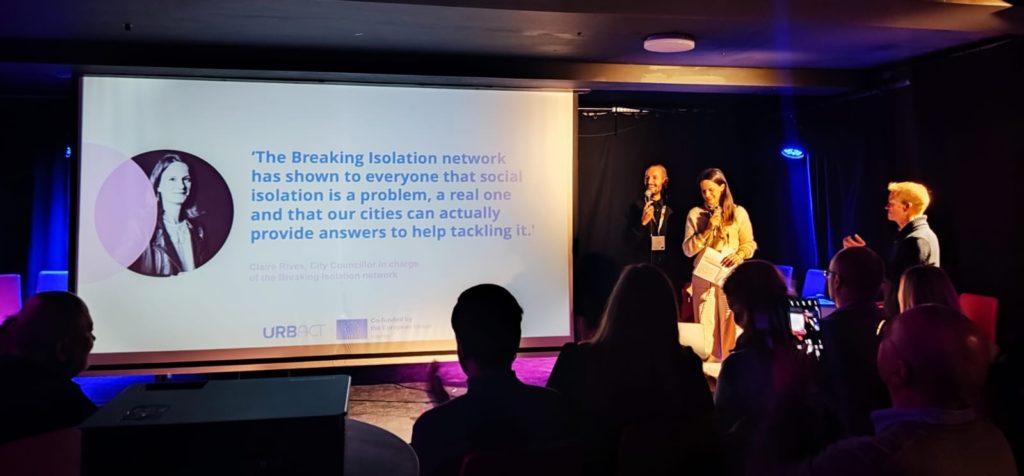
Small & medium-sized cities at the forefront of the fight against isolation
Cities represent an ideal governance level for combating social isolation because they are close enough to citizens to understand local needs and community dynamics, yet possess sufficient resources and organizational capacity to implement meaningful interventions. Local governments can create tailored solutions that respond to the specific cultural, demographic, and geographic characteristics of their populations, while also fostering the face-to-face connections and community spaces that are essential to breaking down isolation. The Breaking Isolation URBACT network brought together 10 cities committed to this mission: Agen (France), Bijelo Polje (Montenegro), Isernia (Italy), Jumilla (Spain), Pombal (Portugal), Fót (Hungary), Tønder (Denmark), Škofja Loka (Slovenia), Roman (Romania), and Serres (Greece). These cities, representing diverse European regions and contexts, collaborated to develop and share concrete approaches to social connection, demonstrating that local action can have transformative impact on one of society’s most pervasive challenges.
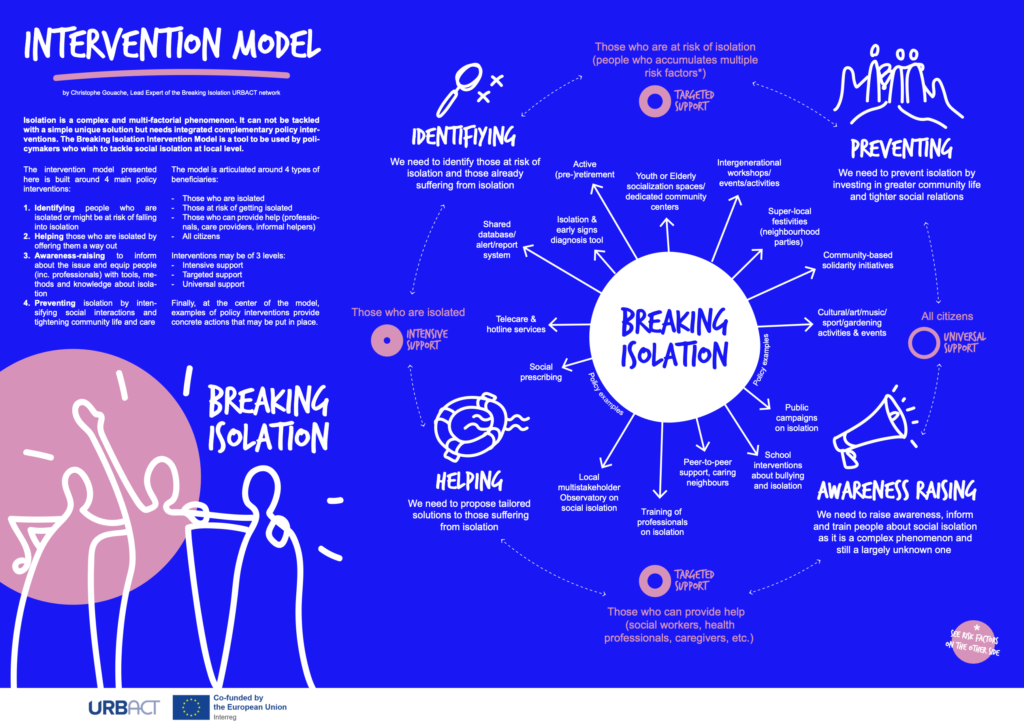
Building an intervention model
Isolation is a complex and multi-factorial phenomenon that cannot be tackled with a simple unique solution but needs integrated complementary policy interventions. The Breaking Isolation Intervention Model is a tool to be used by policymakers who wish to tackle social isolation at local level. The model is articulated around four main policy interventions: identifying people who are isolated or might be at risk of falling into isolation, helping those who are isolated by offering them a way out, awareness-raising to inform about the issue and equip people (including professionals) with tools, methods and knowledge about isolation, and preventing isolation by intensifying social interactions and tightening community life and care. The model addresses four types of beneficiaries: those who are isolated, those at risk of getting isolated, those who can provide help (professionals, care providers, and informal helpers), and all citizens. Interventions may be of three levels—intensive support, targeted support, and universal support. Finally, at the center of the model, examples of policy interventions provide concrete actions that may be put in place.
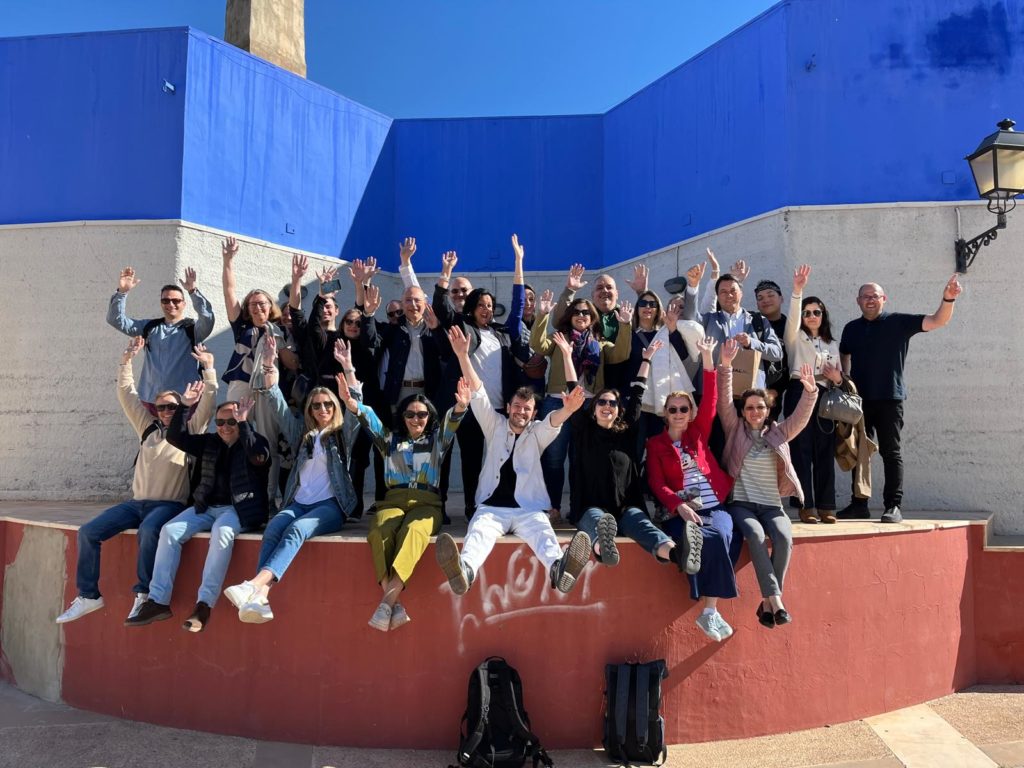
PARTNERS
URBACT Secretariat
Muncipality of Agen, France
Muncipality of Bijelo Polje, Montenegro
Muncipality of Isernia, Italy
Muncipality of Jumilla, Spain
Muncipality of Pombal, Portugal
Muncipality of Fót, Hungary
Muncipality of Tønder, denmark
Muncipality of Skofja Loka, Slovenia
Muncipality of Roman, Romania
Muncipality of Serres, Greece
LINKS